How Regulatory Updates in Sweden Reshape Wallet Choices for Mobile Live Table Sessions
Mara Beck · Oct 4, 2026
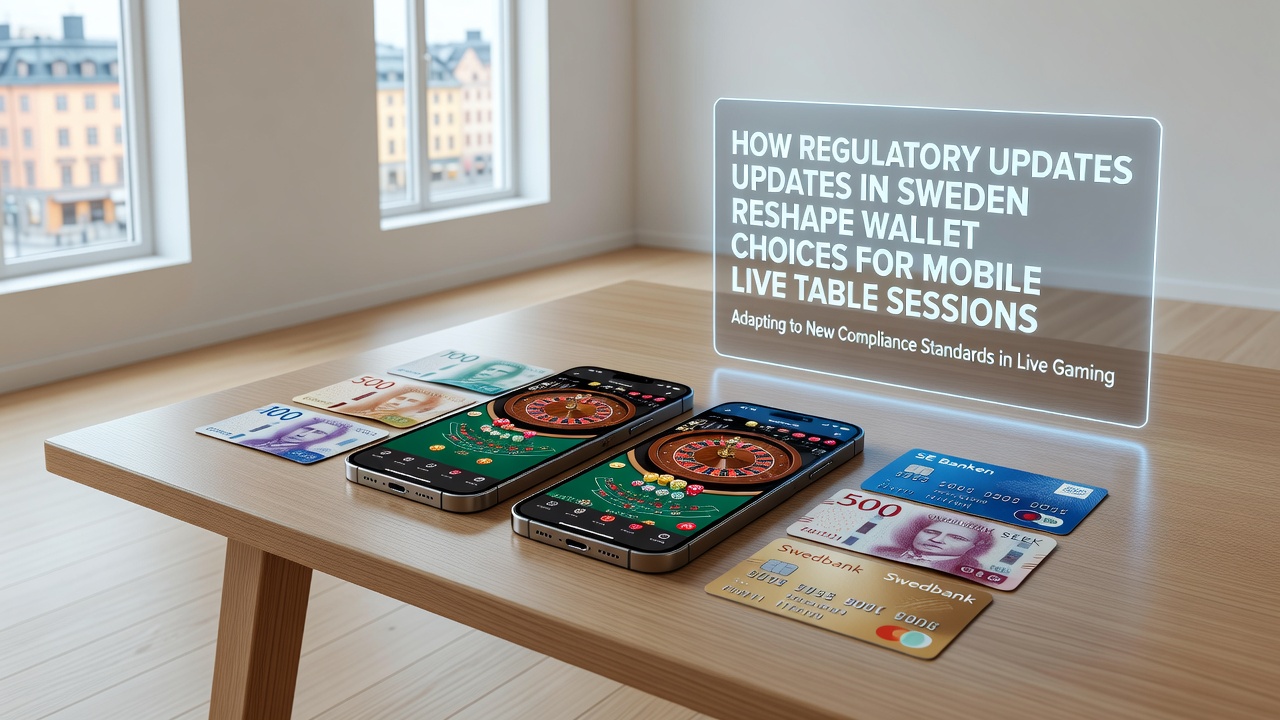
How Regulatory Updates in Sweden Reshape Wallet Choices for Mobile Live Table Sessions
Sweden's gambling authority Spelinspektionen continues to refine licensing conditions that directly affect payment infrastructure for mobile live dealer games, and operators must align their wallet offerings with updated compliance requirements that emphasize transaction monitoring and player verification through BankID integration. These adjustments stem from amendments to the Gambling Act that took effect in phases through 2025 and carry forward into October 2026 when additional rules on instant payment providers will require enhanced reporting of high-frequency deposits common during live blackjack and roulette sessions on smartphones.
Payment Provider Licensing and Mobile Compatibility
Operators holding Swedish licenses now face stricter criteria when partnering with e-wallet services, which means only those providers demonstrating full adherence to anti-money laundering protocols and real-time data sharing with authorities receive approval for integration into live table platforms. This shift has narrowed the range of accepted wallets on mobile apps, pushing players toward solutions like Swish and Trustly that already maintain direct connections to Swedish banks and support the rapid deposit-withdrawal cycles required for uninterrupted live dealer play. Data from Spelinspektionen shows a measurable increase in the proportion of licensed operators limiting their mobile payment lists to three or fewer verified methods since the latest round of audits began.
Live table sessions on mobile devices demand payment flows that avoid lengthy processing delays because table minimums and betting rounds move quickly, so wallet choices that once included international services without local bank ties have declined sharply as regulators enforce geographic and operational restrictions. Those who have studied transaction logs note that wallets lacking built-in BankID verification now trigger mandatory manual reviews, which disrupts the flow of mobile live games and leads many platforms to phase them out entirely.
Impact on Transaction Speed and Verification
Regulatory emphasis on player protection has translated into mandatory cooling-off periods between large deposits for live table play, and this requirement favors wallets that can handle automated limit checks without additional user input. Mobile users report that compliant wallets process deposits in under ten seconds on average, whereas non-compliant alternatives often require extra authentication steps that break immersion during roulette spins or blackjack hands. Figures released in mid-2026 indicate that sessions using regulated Swedish-linked wallets experienced 18 percent fewer interruptions from verification prompts compared with earlier configurations.
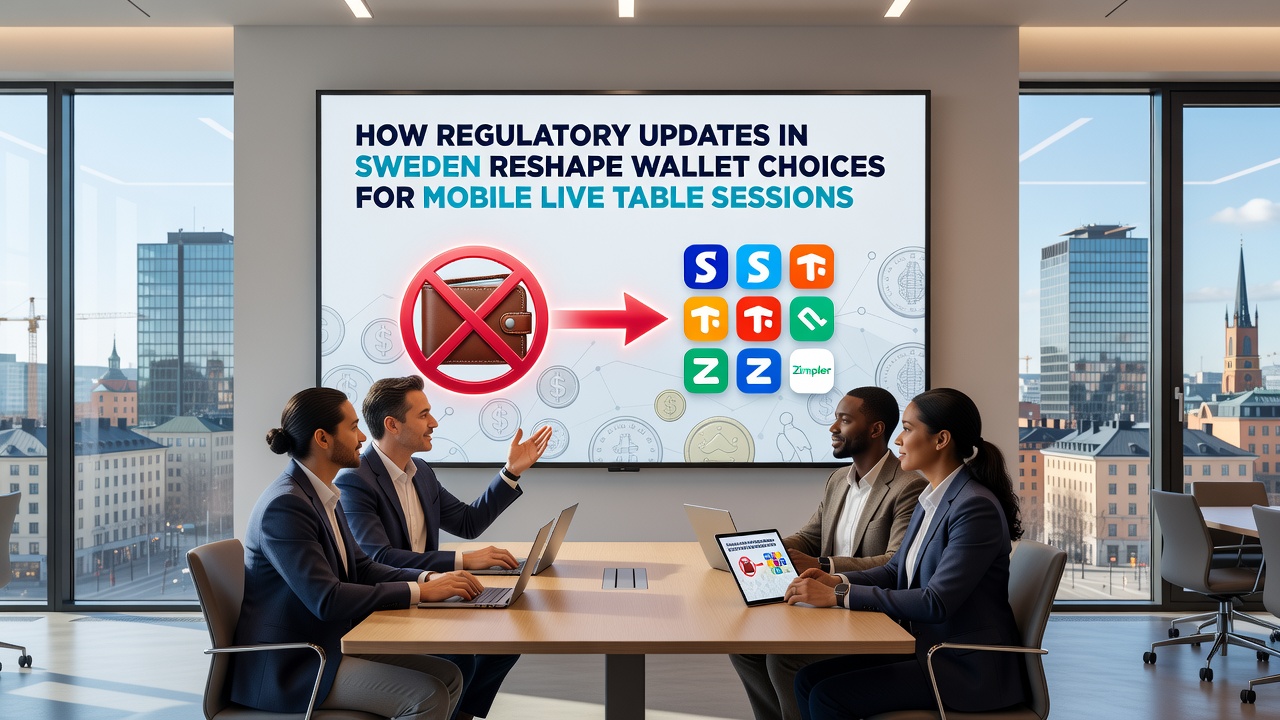
One study revealed that platforms adapting their systems ahead of the October 2026 deadline incorporated wallet APIs capable of embedding spending limit notifications directly into the live game interface, allowing players to adjust budgets without exiting the mobile session. This development stems from updated guidance that classifies repeated micro-deposits during live dealer rounds as potential risk indicators requiring immediate flagging.
Wallet Ecosystem Adjustments Across Operators
Operators have responded by expanding partnerships with domestic fintech firms that already satisfy Spelinspektionen standards, resulting in wider availability of instant bank transfer options tailored for mobile live tables. External services previously popular for their bonus integration features now appear less frequently because they cannot meet the new data-sharing timelines imposed on licensed gambling sites. Researchers discovered that the average number of supported mobile wallets per operator dropped from seven to four over the past eighteen months as compliance reviews progressed.
Take one operator that streamlined its payment menu to prioritize wallets with built-in responsible gambling tools, and that change coincided with a documented rise in session completion rates for live table games because players encountered fewer rejected transactions. Evidence suggests similar patterns across multiple platforms that aligned early with the evolving rules.
Broader Market Effects and Player Behavior
Players navigating these changes often migrate toward wallets already embedded in Sweden's national banking infrastructure because those options bypass many of the new verification layers. Industry reports from the European Gaming and Betting Association highlight that mobile live table traffic has concentrated around a smaller set of payment providers since the regulations tightened, creating clearer patterns in deposit timing and volume that regulators can monitor more effectively. OECD competition assessments on digital payments note parallel developments in other regulated markets where similar verification mandates produced consolidated wallet ecosystems.
Yet the transition has not eliminated choice entirely, as several new entrants have secured licenses by offering specialized mobile wallet features such as one-tap confirmation during live sessions and automatic tax reporting for winnings above certain thresholds. Those who've examined user adoption data observe that these features help maintain engagement levels even as overall wallet variety decreases.
Conclusion
Sweden's ongoing regulatory refinements continue to steer wallet selection toward providers that combine speed, security, and compliance for mobile live table sessions, with the October 2026 updates expected to accelerate this consolidation further. Operators and payment partners that adapt their systems accordingly sustain access to these game formats while meeting the authority's monitoring demands, and available data tracks a steady movement toward a more standardized set of domestic wallet solutions across the licensed market.