Sweden's Compliance Standards Shape Smartphone Access to Licensed Table Games Through Evolving Deposit Verification Processes
Theo Peters · Oct 18, 2026
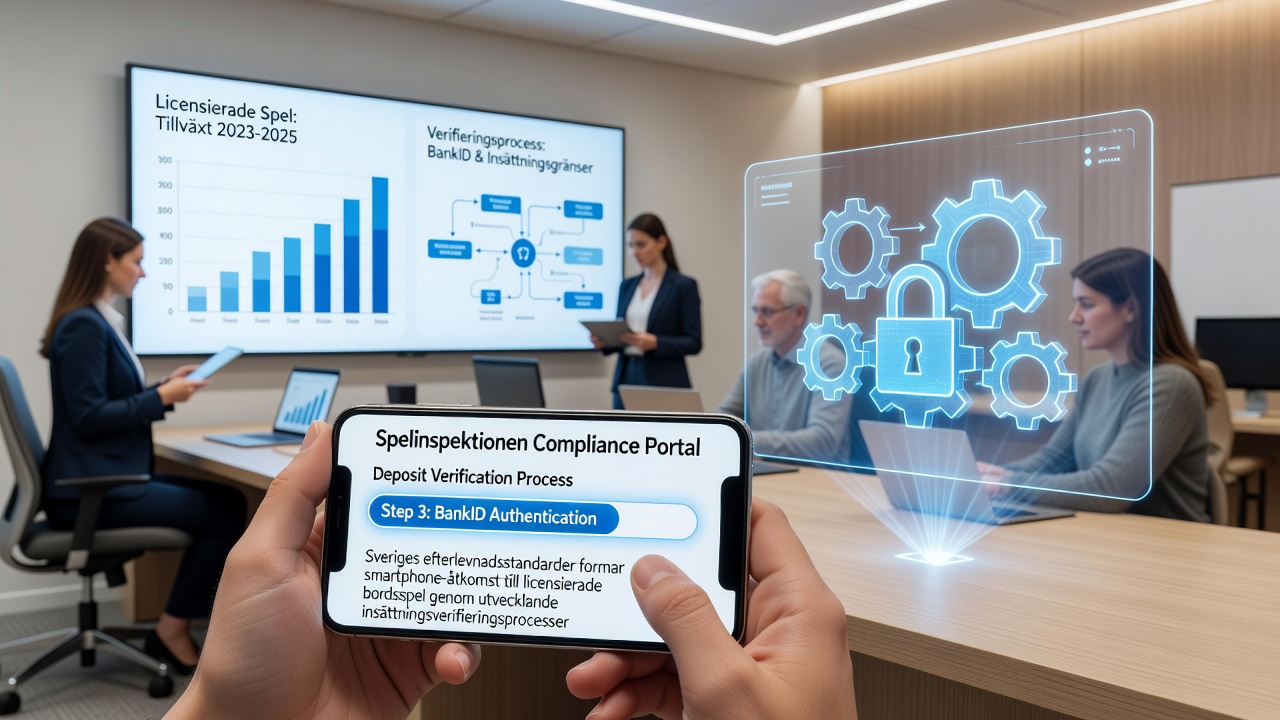
Sweden's Compliance Standards Shape Smartphone Access to Licensed Table Games Through Evolving Deposit Verification Processes
Sweden maintains a regulated gambling market where compliance standards from the Swedish Gambling Authority directly influence how users access licensed table games on smartphones, and these standards continue to evolve through refined deposit verification processes that integrate advanced identity checks with mobile payment systems. Operators must adhere to strict licensing requirements that emphasize player protection, anti-money laundering measures, and responsible gaming protocols, which in turn shape the technical infrastructure supporting real-time table game sessions such as blackjack and roulette on mobile platforms. Data from the Swedish Gambling Authority indicates that verification procedures have incorporated BankID authentication as a core element, allowing seamless yet secure deposits while restricting access to unlicensed operators.
Core Elements of Sweden's Licensing and Compliance System
Since the re-regulation of the gambling sector in 2019, licensed operators face ongoing obligations to implement robust verification at every deposit stage, and this framework has expanded to cover mobile-specific challenges including app-based transactions and instant payment gateways. Observers note that these standards require operators to verify user identities before processing any funds, which reduces fraud risks and ensures that only eligible players engage with licensed table games on their devices. Research from the European Commission on digital single market initiatives shows how national compliance aligns with broader EU directives on electronic identification, creating a unified approach that supports cross-border consistency in verification technology.
Deposit verification processes have shifted toward automated systems that combine biometric data with traditional banking details, and this evolution allows for quicker access to live dealer tables while maintaining regulatory oversight. Those who study the sector find that updates in verification protocols often coincide with technological advancements in smartphone security features, such as enhanced app permissions and encrypted data transmission. In October 2026, further refinements are scheduled to take effect, focusing on real-time monitoring of deposit patterns to flag unusual activity during mobile table game sessions.
Smartphone Access and Verification Integration
Smartphone users seeking licensed table games encounter verification layers that begin at account creation and extend through each deposit attempt, and these steps ensure compliance without disrupting gameplay flow on mobile interfaces. Operators deploy solutions like instant BankID checks that confirm age and residency within seconds, which streamlines entry to games while blocking unlicensed alternatives. Figures reveal that over 85 percent of deposits in the regulated market now occur via mobile channels, according to aggregated industry reports, highlighting the centrality of smartphone access in Sweden's gambling ecosystem.
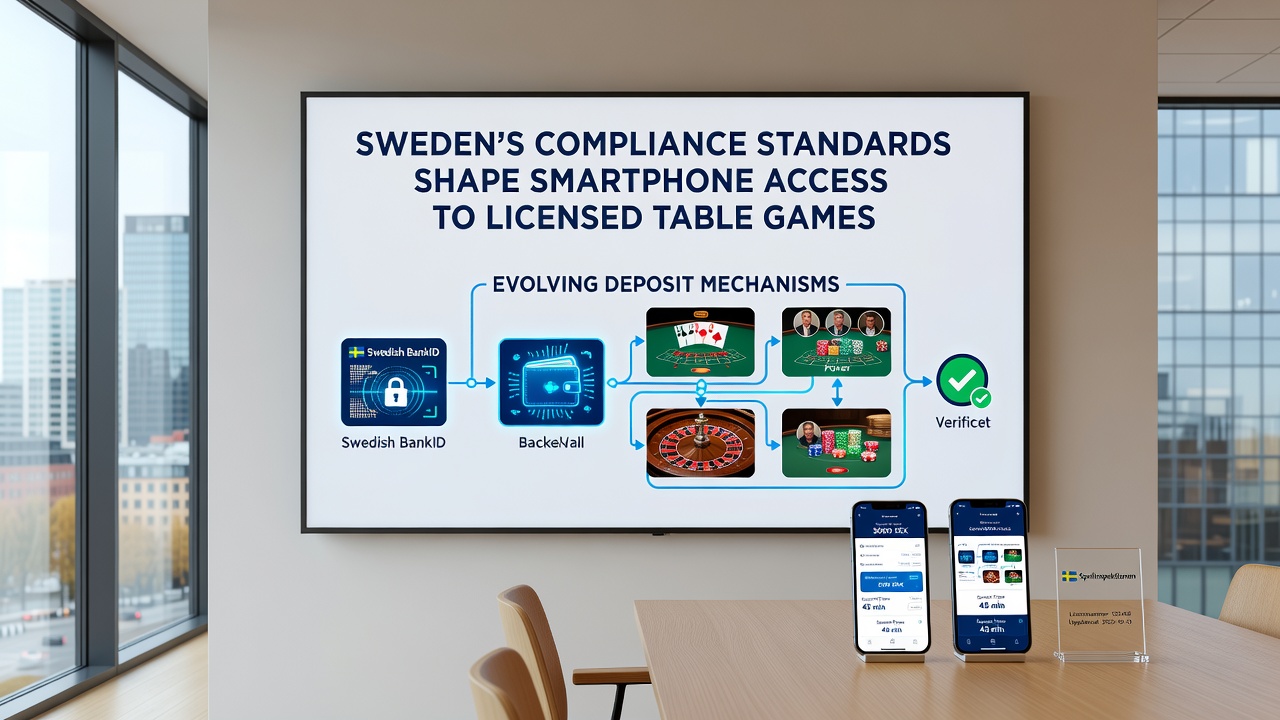
Verification evolution includes integration with open banking frameworks that permit direct account linkage, and this development reduces reliance on third-party processors while enhancing transparency for regulatory audits. Experts have observed that such changes particularly benefit table game enthusiasts who prefer live dealer formats, as verified deposits enable immediate participation in sessions hosted on licensed platforms. A report from the International Center for Responsible Gaming at https://www.icrg.org/ examines how these verification advancements correlate with lower rates of unauthorized access across mobile gambling environments in regulated jurisdictions.
Broader Implications for Licensed Table Game Operations
Compliance standards continue to drive innovation in how operators structure mobile table game offerings, with deposit verification serving as both a gatekeeper and an enabler of secure play. Operators adapt their systems to handle variable deposit limits based on verified player profiles, and this approach supports responsible gaming goals without limiting overall access for compliant users. Those who've examined transaction data note that verification updates have led to increased adoption of e-wallets and direct bank transfers tailored for Swedish smartphone users.
Regulatory bodies enforce periodic audits of verification processes, and these reviews ensure ongoing alignment with evolving threats such as identity theft in mobile environments. The result appears in more resilient app architectures that prioritize encrypted verification flows during table game interactions. What's significant is the way these standards foster a stable market where licensed operators can invest in advanced mobile features like augmented reality dealer interfaces, all underpinned by reliable deposit mechanisms.
Conclusion
Sweden's approach to compliance standards demonstrates a clear connection between regulatory requirements and the practical realities of smartphone access to licensed table games, particularly through the lens of deposit verification processes that adapt to technological and security demands. As verification methods advance, they maintain the integrity of the licensed market while accommodating growing mobile usage patterns. Continued developments, including those planned for October 2026, will likely reinforce these linkages, supporting a framework where secure access remains central to operator licensing and player participation.