Sweden's Licensing Framework Fuels Live Dealer Adaptations During Mobile Payment Transitions
Mara Beck · Sep 20, 2026
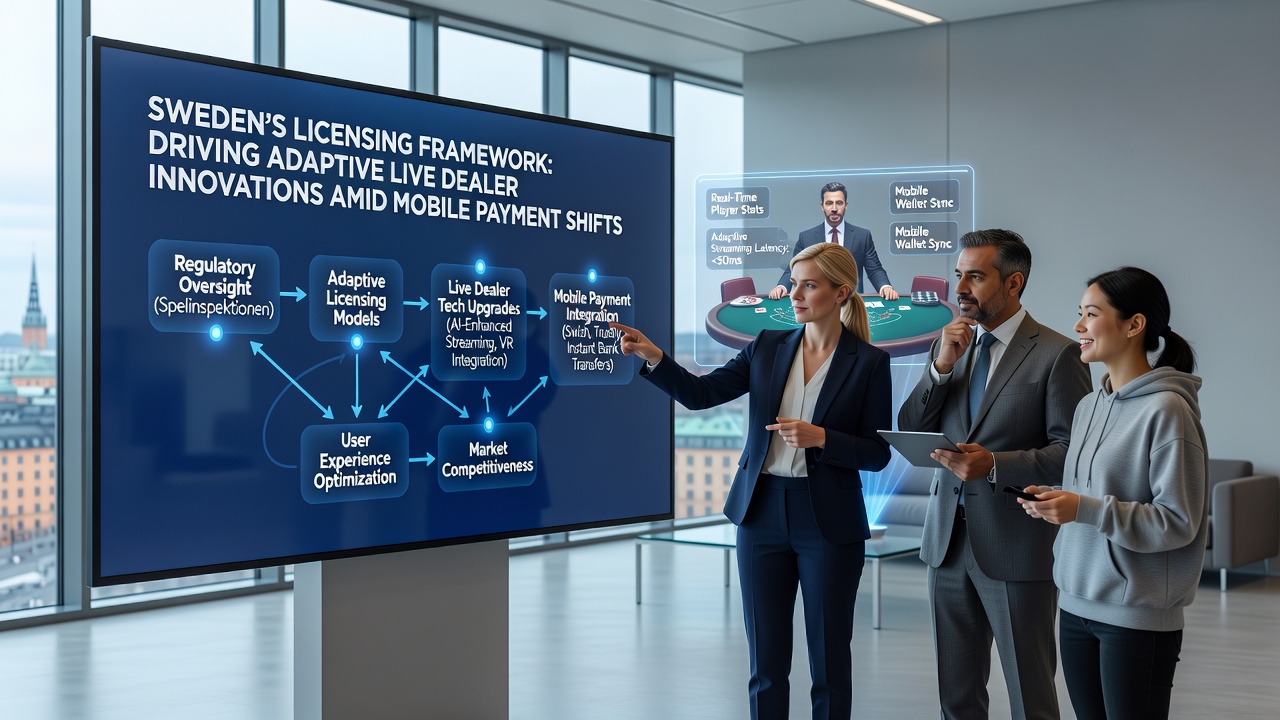
Sweden's Licensing Framework Fuels Live Dealer Adaptations During Mobile Payment Transitions
Sweden's licensing system under Spelinspektionen has shaped how operators develop live dealer offerings while mobile payment methods continue to evolve, and data from regulatory filings shows consistent adjustments in game delivery formats since the 2019 re-regulation. Operators must meet strict technical standards for real-time interaction, which encourages integration of features such as adaptive camera angles and multi-device synchronization that align with player behavior on smartphones and tablets.
Regulatory Structure and Technical Demands
Spelinspektionen requires licensed entities to maintain secure, audited platforms that support continuous live streams without interruption, and this obligation has prompted developers to refine latency reduction techniques and responsive interfaces suited to varying network conditions. Figures from the authority's annual reports indicate that compliance checks now include specific evaluations of mobile compatibility, pushing companies to allocate resources toward innovations like touch-optimized control panels and instant reconnection protocols during gameplay sessions.
Live Dealer Feature Developments
Adaptive elements in live dealer environments have expanded to include customizable table limits that adjust based on device type and connection speed, while operators report that these changes emerged directly from licensing requirements for fair and accessible play. Research compiled by European gaming technology groups highlights how Swedish licensees introduced multi-angle streaming options earlier than many neighboring markets, allowing viewers to switch perspectives mid-session without leaving the mobile application. Such modifications help maintain engagement levels when users transition between home networks and cellular data, and compliance documentation shows these features underwent testing prior to rollout.
Payment infrastructure shifts have paralleled these changes, with mobile wallets and instant transfer systems gaining prominence in transaction volumes tracked by the regulator. Operators note that licensing conditions mandate integration of verified payment gateways that function seamlessly within the same application as the live dealer interface, reducing the need for separate browser windows or external redirects that could disrupt the gaming flow.
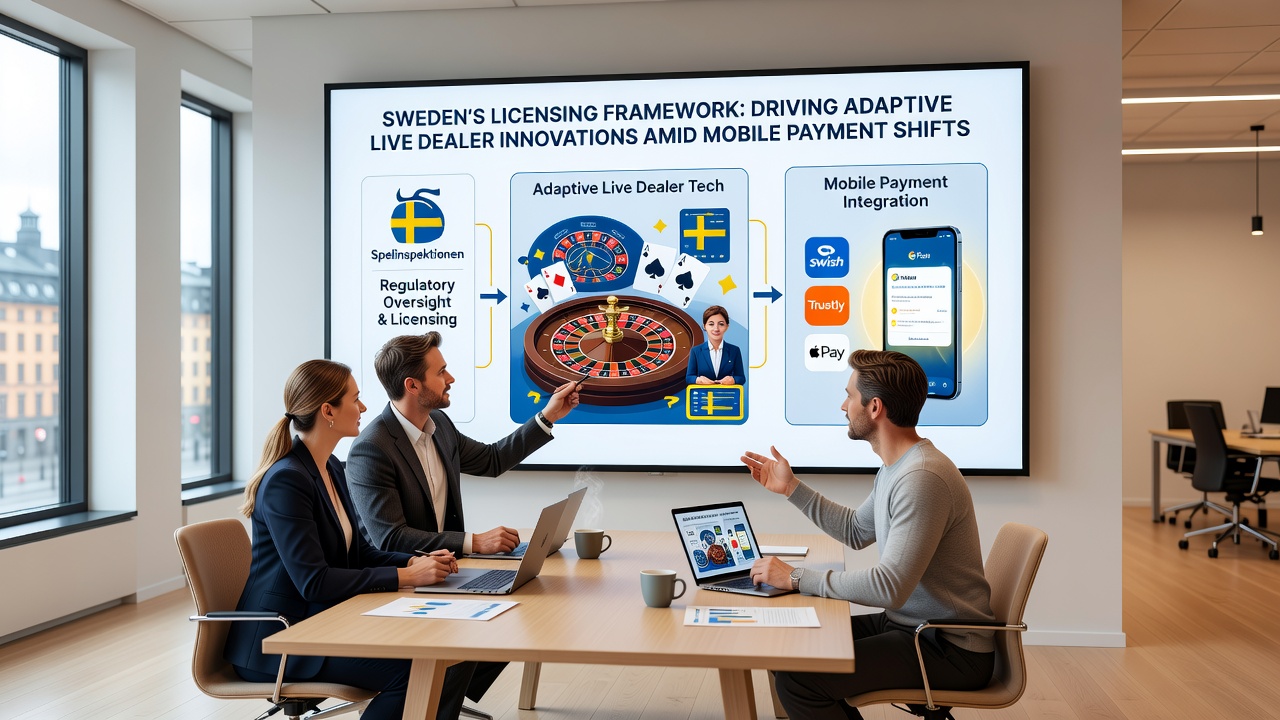
Mobile Payment Integration Patterns
By September 2026, transaction data released through official channels revealed continued growth in mobile-initiated deposits and withdrawals, prompting further refinements in how live sessions handle in-game top-ups without pausing dealer interactions. According to Spelinspektionen statistics, the proportion of sessions completed entirely on mobile devices has risen steadily, which in turn influences design choices around payment confirmation pop-ups that appear within the video feed rather than overlaying separate screens. Industry analyses from the OECD digital economy reports document similar patterns across regulated European jurisdictions, yet Sweden's framework ties these payment adaptations explicitly to licensing renewals.
Operational Adjustments by Licensees
Those who hold Swedish licenses describe internal processes where product teams collaborate with compliance officers to ensure new live dealer modules pass both technical audits and payment security reviews simultaneously. One documented case involved an operator that introduced biometric authentication tied directly to live table entry, a step taken to satisfy licensing criteria for identity verification during mobile sessions. Such measures reduce friction for players while satisfying regulatory expectations around responsible access controls, and observers note that these dual-purpose developments have become standard practice among active licensees.
Additional adaptations include real-time language and currency switching that syncs with the payment method selected at the start of a session, allowing dealers to acknowledge player preferences without separate menu navigation. Data from platform usage logs shared in regulatory submissions demonstrates that these features correlate with longer average session durations on mobile devices, though operators attribute the outcome to streamlined workflows rather than any single innovation.
Future Trajectories Under Existing Rules
Looking ahead, licensing renewals scheduled for later periods will likely incorporate updated benchmarks for payment speed and live stream reliability, building on the framework already in place. European research institutions tracking gambling technology trends have recorded how Swedish requirements serve as reference points for other jurisdictions evaluating similar mobile-first regulations, and this cross-border influence appears in technical white papers that cite Spelinspektionen guidelines on adaptive interfaces.
Conclusion
Sweden's licensing framework continues to intersect with live dealer product cycles and mobile payment ecosystems through mandated technical standards and compliance procedures. The resulting adaptations reflect measurable responses to regulatory expectations rather than isolated market trends, with data from official sources confirming ongoing evolution in both game delivery and transaction handling as of September 2026. These patterns establish a documented pathway for operators navigating the intersection of licensing obligations and shifting player access methods.